Neck Pain After Sleeping: Battersea & Chelsea Chiropractor Explains!
Neck Pain After Sleeping: Why It Happens, Common Patterns, and When It’s Worth Getting Checked
Waking up with neck pain can be frustrating, unsettling, and disruptive—especially when it happens repeatedly. At Battersea & Chelsea Chiropractic, neck pain after sleeping is one of the most common concerns we see among people living and working across Battersea, Chelsea, Nine Elms, Pimlico, Wandsworth, Westminster, and the wider SW London area.
For some, the discomfort feels like stiffness that eases after a shower. For others, it’s a sharp or nagging pain that limits head movement for hours—or even days. Many people assume it’s “just a bad pillow” or an awkward night’s sleep, yet the problem often returns, particularly during busy work weeks or periods of stress.
This article explains why neck pain commonly shows up after sleeping, the patterns we frequently see in clinic, when it’s worth seeking clarity, and how people in London typically regain comfort and confidence with the right assessment and approach.
What does it mean if you wake up with neck pain?
Neck pain after sleeping usually reflects how the neck and upper spine have been loaded and supported overnight, rather than a single injury. During sleep, the neck remains in relatively fixed positions for long periods. If joints are already restricted, muscles are overworking, or support isn’t well matched to your body, discomfort often appears on waking.
For many people, the pain improves as they start moving. For others, it lingers through the morning or returns night after night. Importantly, waking with neck pain is often mechanical and functional, not dangerous—but it shouldn’t be ignored if it becomes a regular pattern.
Why does neck pain show up after sleeping?
Sleep is one of the longest uninterrupted periods of rest the spine experiences. While this time should be restorative, it can also expose underlying issues in the neck that aren’t always noticeable during the day. When movement has been limited, posture has been sustained for long periods, or muscular tension has built up, the neck may struggle to tolerate prolonged stillness overnight.
Common contributors include:
Prolonged static neck positions during sleep
Reduced joint movement through the cervical spine
Ongoing muscle guarding or tension around the neck and shoulders
A mismatch between pillow height and the neck’s natural support needs
Over time, these factors can increase sensitivity in the nervous system. As a result, even sleeping positions that once felt comfortable may begin to trigger stiffness or discomfort on waking, particularly when combined with stress or reduced recovery.
Is neck pain after sleeping something to worry about?
In most cases, neck pain when you wake up is not a sign of anything serious. It is usually linked to stiffness, tight muscles, or joints in the neck that haven’t been moving well, rather than to an injury or underlying condition. Many people notice that the discomfort eases a little once they start moving and going about their day.
However, it’s worth paying closer attention if the pain doesn’t settle or keeps coming back. Neck pain that lasts for several weeks, gets worse rather than better as the day goes on, or regularly limits how far you can turn your head shouldn’t be ignored. If it begins to affect everyday tasks such as working, driving, or concentrating, an assessment may be helpful.
Getting clarity early can often make recovery simpler and prevent a short-term issue from becoming something that lingers or keeps returning.
When should you consider getting it checked?
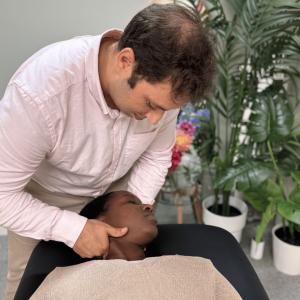
In most cases, neck pain on waking or neck pain after sleeping is not a sign of anything serious. It more commonly reflects stiffness, muscular tension, or reduced joint movement in the neck rather than an injury. This pattern is frequently seen in people who spend long hours sitting, working at a desk, or commuting, and is a common reason people begin searching for a chiropractor near me when the discomfort keeps returning after sleep.
However, it’s worth paying closer attention if neck pain persists for several weeks, worsens rather than easing as the day goes on, or regularly limits how far you can move your head. Pain that begins to interfere with work, driving, or concentration is also a sign that an assessment may be helpful. Seeing a local chiropractor early can often provide clarity and help prevent what starts as short-term neck pain after sleeping from developing into a longer-term or recurring issue.
When should you consider getting it checked?
You may want to consider an assessment if waking with neck pain has become predictable rather than occasional. Many people living or working in Battersea, Chelsea, Nine Elms, Westminster, Pimlico, and Wandsworth put off getting things checked because the discomfort feels manageable at first. Over time, however, neck pain after sleeping can begin to affect sleep quality, work performance, and day-to-day comfort, especially for those with busy London routines.
Seeking clarity early is often simpler than trying to adapt around recurring pain. This is usually the point at which people start looking for a chiropractor near me or a local London chiropractor Battersea—not out of urgency, but to understand what’s causing the problem and whether anything can be done to prevent it from continuing.
Why neck pain after sleeping often develops (deeper explanation)
The neck relies on small, coordinated joint movements to stay comfortable and adaptable. When movement is reduced during the day — often due to prolonged desk work, laptop use, or commuting — these joints can become less flexible. For many people living and working in London, especially around Battersea, Chelsea, and Nine Elms, the neck may already be under strain before bedtime. Overnight, staying in one position for long periods can then place extra load on specific areas, leading to neck pain after sleeping.
Muscle tension and guarding also play a significant role. Stress, posture, and workload can all increase muscle tightness around the neck and shoulders. During sleep, these muscles may not fully relax, particularly if the nervous system remains “switched on” from a busy day. This often results in stiffness or discomfort on waking and is a common reason people begin searching for a chiropractor near me when neck pain keeps returning.
Pain is not purely structural. Repeated low-level stress on the neck can increase nervous system sensitivity over time, meaning discomfort appears more easily — even without injury or tissue damage. This heightened sensitivity helps explain why neck pain after sleeping can feel persistent or unpredictable, especially when daily habits and recovery don’t allow the spine enough opportunity to reset.
Patterns we commonly see in our Battersea clinic
In our Battersea and Chelsea clinic, we regularly see neck pain after sleeping among professionals working long hours, commuters travelling across London, and people balancing desk-based work with limited recovery time.
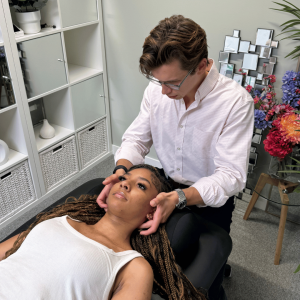
A common pattern is stiffness on waking that improves with movement but returns the following morning. Others experience one-sided neck pain, often linked to habitual sleeping positions or asymmetrical movement patterns. Some notice symptoms worsen during stressful periods or after changes in work routine.
When left unaddressed, these patterns often become more frequent and take longer to settle—prompting many people to search for a chiropractor near me in Battersea or London to understand what’s driving the issue.
Local lifestyle factors that matter
The neck relies on small, coordinated joint movements to stay comfortable and adaptable. When movement is reduced during the day — often due to prolonged desk work, extended screen time, or commuting — these joints can become less flexible. For many people living and working in Battersea, Chelsea, and Nine Elms, the neck may already be under strain before bedtime. Overnight, remaining in one position for long periods can then place extra load on specific areas, leading to neck pain after sleeping.
Muscle tension and guarding also play an important role. Stress, posture, and workload can all increase muscle tightness around the neck and shoulders. During sleep, these muscles may not fully relax, particularly when the nervous system has been under pressure during the day. This often results in stiffness or discomfort on waking and is a common reason people begin searching for a chiropractor near me when neck pain keeps returning.
Living and working in Battersea, Chelsea, and Nine Elms often involves long commutes, extended screen use, and reduced daily movement. Many people spend hours seated during the day, then expect the neck to fully recover overnight. On their own, these habits don’t directly cause neck pain. Over time, however, they can amplify existing movement restrictions — especially when combined with stress, poor sleep quality, and limited recovery.
At Battersea & Chelsea Chiropractic, assessment focuses on understanding how the neck, upper back, and shoulders are moving, rather than simply reacting to symptoms. Care is guided by identifying areas of reduced movement, muscular tension, and sensitivity that may be contributing to neck pain after sleeping. The aim is to restore movement, reduce strain, and improve the neck’s ability to tolerate daily and overnight positions more comfortably over time.
Pain is also not purely structural. Repeated low-level strain can heighten nervous system sensitivity, meaning discomfort appears more easily even without injury or tissue damage. Addressing both movement and sensitivity helps explain why a clear, individualised approach is often more effective than short-term fixes alone.
How neck pain after sleeping is typically assessed
Assessment begins by understanding when pain appears, how it behaves through the day, and what improves or aggravates it. For people across Battersea, Fulham, Pimlico, Wandsworth, and surrounding SW London areas, this often clarifies whether sleep position, daily posture, or workload are contributing.
We then assess how the neck, upper back, and shoulders are moving—looking at joint function rather than posture alone. Contributing factors such as desk setup, pillow height, stress levels, and previous injuries are also considered.
Any care plan is guided by findings, not assumptions, and focuses on restoring movement and reducing sensitivity over time.
You can learn more about our broader approach on our neck pain care and assessment in Battersea page.


Common ways neck pain after sleeping shows up
A stiff neck that eases within the first hour of the day is something we see frequently at Battersea & Chelsea Chiropractic. This pattern is often linked to temporary joint restriction rather than injury, particularly when the neck has remained in one position overnight. As movement increases through the morning, symptoms commonly begin to settle.
Some people notice neck pain predominantly on one side when they wake up. This is often related to habitual sleeping positions or subtle asymmetries in how the neck and shoulders move, rather than anything structurally wrong. Over time, these patterns can become more noticeable if left unaddressed.
Neck pain that appears alongside headaches is another common presentation. This may involve tension or reduced movement in the upper cervical joints, which can refer discomfort into the head, particularly after sleep.
We also see neck pain that feels worse during busy workdays rather than first thing in the morning. In these cases, stress, screen use, and posture often play a larger role than sleep itself, especially for people working long hours across London.
For others, neck pain returns almost every morning, even if it settles slightly during the day. This usually suggests an underlying mechanical pattern that hasn’t fully resolved, rather than a one-off issue.
Reduced head movement on waking is also common and is often due to muscular guarding overnight. The neck may feel tight or reluctant to move at first, particularly after periods of stress or reduced recovery.
Understanding which of these patterns fits your experience can be an important step in deciding whether further assessment would be helpful.
Our approach to neck pain after sleeping
Our approach focuses on understanding why your neck is reacting the way it is, rather than simply addressing symptoms alone. Waking with neck pain is rarely solved by changing pillows or sleep positions in isolation, particularly when underlying movement or tension patterns are involved.
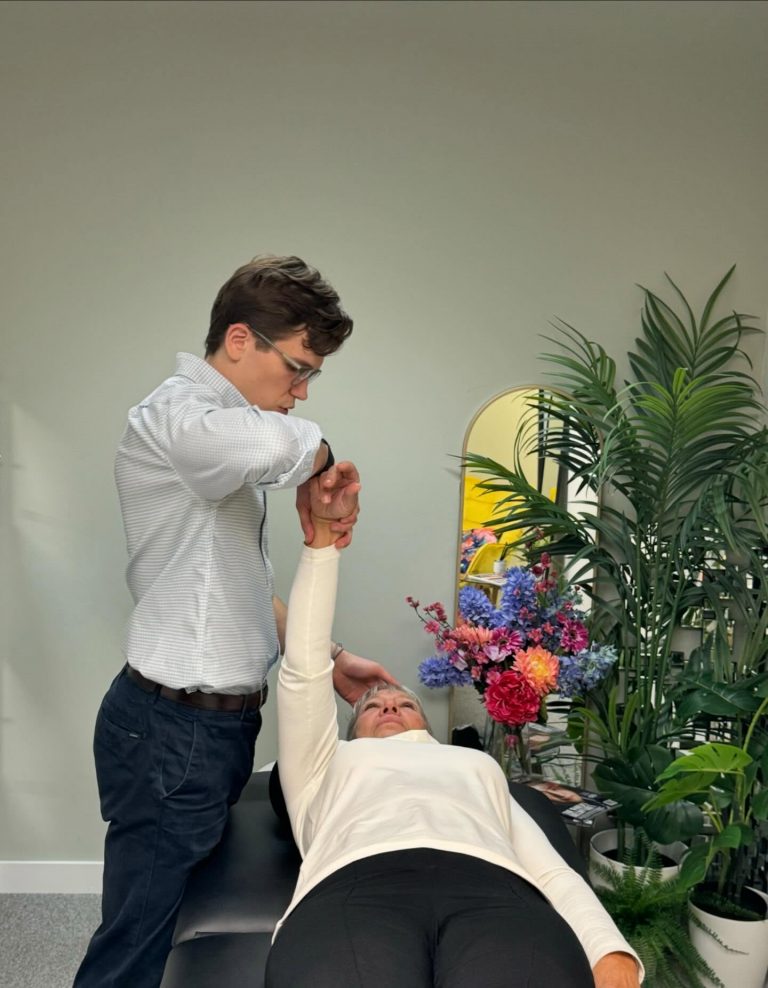
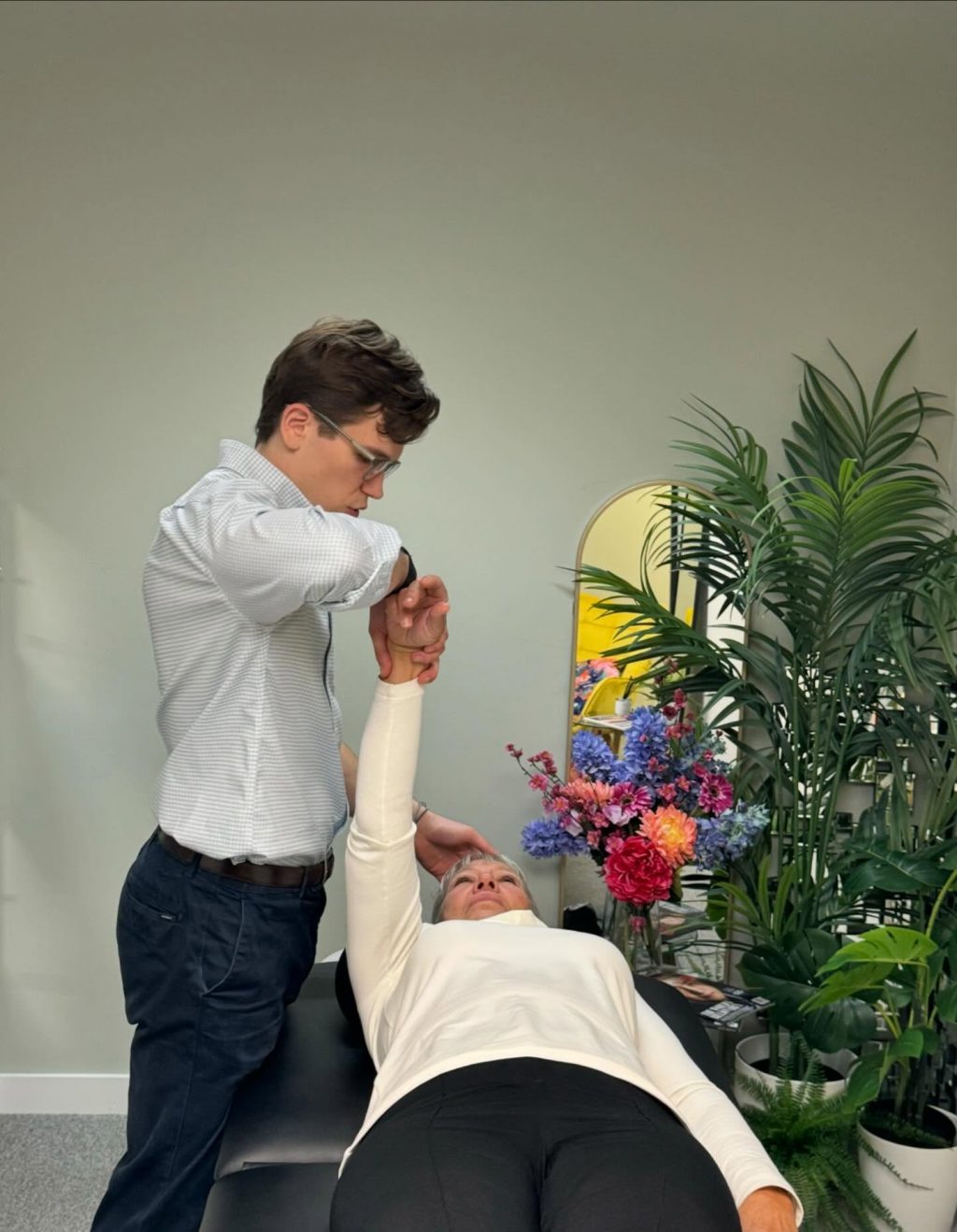
At Battersea & Chelsea Chiropractic, our chiropractor team in Battersea takes the time to assess how the neck, upper back, and shoulders are moving, alongside daily habits such as work posture, screen use, stress, and recovery. This helps identify the factors that may be contributing to neck pain after sleeping, rather than relying on guesswork.
Care progresses gradually and is guided by what we find during assessment. Many people first notice easier head movement on waking, less morning stiffness, or greater confidence in finding comfortable sleep positions. Over time, the aim is to improve the neck’s ability to tolerate both daily activity and overnight rest more comfortably.
How to know if it’s worth getting checked
If neck pain after sleeping has become something you expect rather than notice occasionally, that’s often a useful signal from the body. Persistent stiffness on waking, recurring flare-ups through the week, or discomfort that starts to affect work, concentration, or daily movement are common reasons people begin looking for a London chiropractor or a chiropractor near them in Battersea.
An assessment isn’t about committing to ongoing care or assuming that something serious is wrong. It’s about understanding whether the issue is mechanical, how daily habits such as work posture, screen use, and sleep routines may be contributing, and what options are available to improve comfort safely and appropriately.
Book a Consultation
If waking with neck pain has become part of your routine, a calm, thorough assessment can help you understand what’s happening and whether care is appropriate.
Email: info@batterseaandchelseachiropractic.co.uk
Phone: 0204 577 1017
WhatsApp: 07349 791628
No pressure. Just clear answers.