What Causes Lower Back Pain?
What causes lower back pain? Lower back pain is most commonly caused by prolonged sitting, poor posture, muscle strain, spinal disc problems, joint irritation, pelvic imbalance, or nerve compression such as sciatica. These issues develop gradually through lifestyle habits—especially desk work—or appear suddenly after lifting, twisting, or injury.
What Causes Lower Back Pain? Understanding the Problem in London Today
Lower back pain affects millions of people globally, but it is particularly common among London professionals living or working in Battersea, Chelsea, Nine Elms, and South West London. With long working hours, extended sitting, digital device use, commuting, and high stress levels, the lumbar spine is under more strain than ever.
Understanding what causes lower back pain is essential because effective long-term recovery depends on identifying and correcting the underlying issue—not just masking pain with medication.
At Battersea & Chelsea Chiropractic Clinic, our doctor-led team inside Battersea Power Station specialises in diagnosing and treating lower back pain using advanced, evidence-based chiropractic care.
Lower back pain rarely stems from one source. Instead, it develops from a combination of physical, mechanical, and lifestyle-related factors. Below are the most common causes identified in clinical practice.
What Causes Lower Back Pain? (Detailed Breakdown)
Lower back pain is often the result of multiple factors rather than one single cause. Below are the most common contributors we see among patients in Battersea, Chelsea, and Nine Elms.
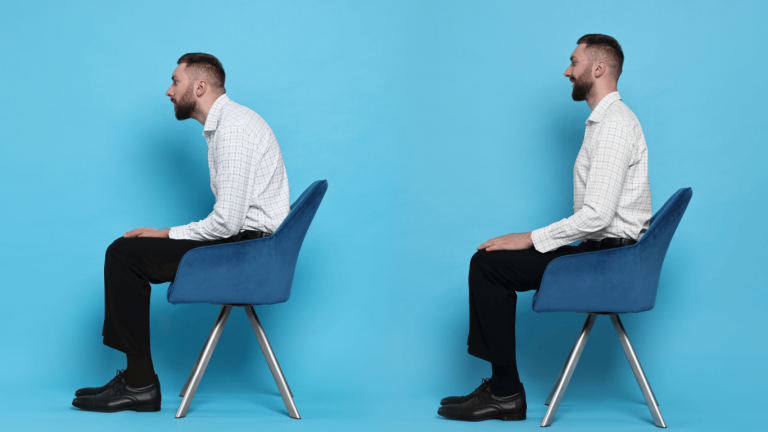
1. Poor Posture & Prolonged Sitting
This is the number one cause of lower back pain among London professionals.
When you sit for long periods whether at a desk, on the sofa, or during long commutes your spine gradually loses its natural curve. This places excess strain on joints, discs, and muscles.
Daily triggers include:
Sitting for 6–10 hours a day
Working on a laptop below eye level
Slouching or rounding the shoulders
Leaning to one side
Working from bed, sofas, or soft chairs
Long periods in the car or train
Studies from Harvard Health and the Mayo Clinic show that prolonged sitting increases spinal pressure, weakens core muscles, and accelerates disc degeneration.
Over time, this leads to:
Tight hip flexors
Weak glutes
Stiff lumbar joints
Poor posture
Fatigue in the lower back muscles
If your lower back pain worsens after sitting, posture is likely a key contributor.
2. Lumbar Disc Bulges & Herniations
Spinal discs are soft, gel-like cushions that sit between each vertebra. With repeated stress or improper movement, discs can:
Bulge
Protrude
Herniate
Degenerate (lose height)
A disc herniation occurs when the inner nucleus pushes through the outer layer, placing pressure on nearby nerve roots.
Symptoms may include:
Sharp lower back pain
Pain radiating down the leg (sciatica)
Tingling or numbness
Muscle weakness
Difficulty bending or lifting
Disc problems are extremely common among people aged 25–55 and often worsen with sitting.
At our clinic, we use specific orthopaedic and neurological tests to determine whether your pain is disc-related. When necessary, we refer for MRI imaging to confirm severity and rule out other conditions.
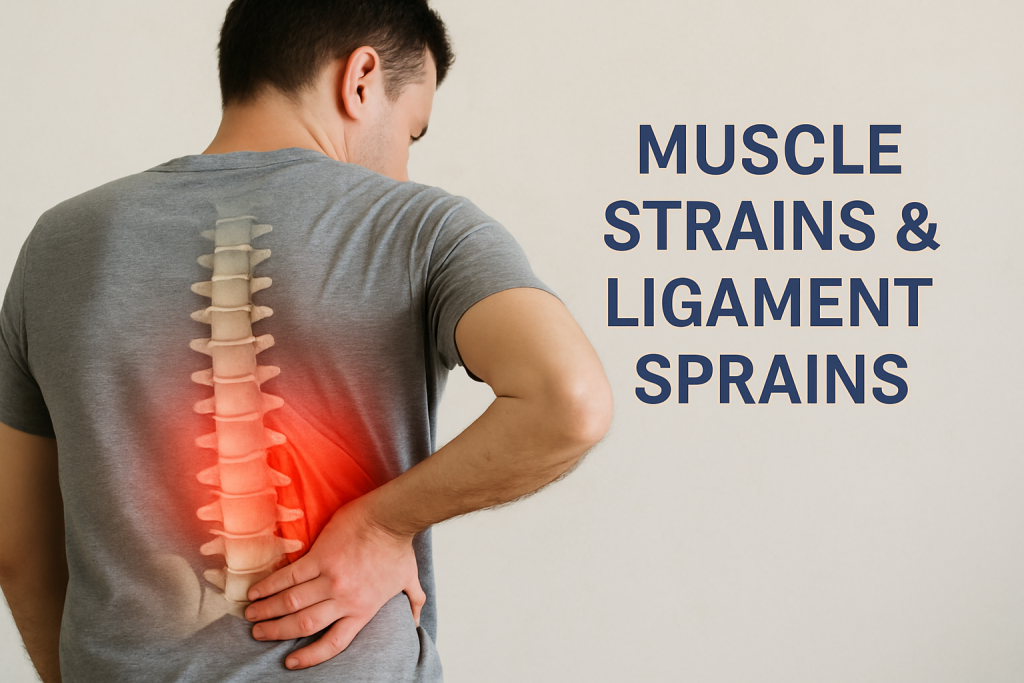
3. Muscle Strains & Ligament Sprains
Overstretching or tearing soft tissues can happen suddenly or gradually.
Common triggers include:
Lifting heavy objects
Twisting while carrying weight
Overtraining during gym sessions
Sudden awkward movements
Poor lifting technique
Returning to intense activity too quickly
Muscle strains often cause spasms, sharp pain, and limited mobility.
4. Facet Joint Irritation
Facet joints are small stabilising joints located at the back of each vertebra. When these joints become irritated or inflamed, they can cause:
Sharp pain on one side of the spine
Pain when bending backwards
Stiffness after rest
Localised tenderness
Facet joint pain is common among people who sit for long hours or frequently arch their back.
5. Sciatica (Nerve Irritation or Compression)

Sciatica occurs when the sciatic nerve becomes compressed or irritated — often due to disc herniation, tight muscles, or spinal misalignment.
Symptoms include:
Shooting pain down the leg
Numbness or tingling
Burning or electric sensations
Weakness in the leg or foot
Pain that worsens when sitting
Sciatica is one of the most common conditions we treat at Battersea & Chelsea Chiropractic.
6. Sacroiliac (SI) Joint Dysfunction
The SI joints connect your spine to your pelvis. Dysfunction occurs when these joints become inflamed, stiff, or unstable.
Common causes include:
Pregnancy
Leg length imbalances
Twisting injuries
Hypermobile joints
Prolonged sitting
Pain often radiates into the buttock, hip, or thigh and can mimic sciatica.
7. Stress, Fatigue & Muscle Tension
Stress is an underestimated cause of mechanical lower back pain.
When stressed, your body enters a heightened tension state, causing:
Tight back muscles
Shallow breathing
Increased sensitivity to pain
Reduced muscle recovery
Many patients report their back pain worsens during periods of long working hours, deadlines, or emotional stress.
8. Pregnancy-Related Lower Back Pain
Pregnancy changes posture, balance, and ligament stability. This places increased stress on:
Lumbar joints
SI joints
Pelvis
Postural muscles
Lower back pain is extremely common from the second trimester onwards and is safe to treat with chiropractic care when performed by trained clinicians.
Who Is Most at Risk of Lower Back Pain?
This section supports topical authority and includes the focus keyword contextually.
People most likely to experience what causes lower back pain include:
Office workers sitting 8–12 hours/day
London commuters
Pregnant individuals
People with weak core muscles
Manual workers
Athletes without recovery time
High-stress professionals
Older adults with disc degeneration
When Should I Worry About Lower Back Pain? (Red Flags)
Seek urgent medical attention if you experience:
Loss of bladder or bowel control
Numbness around the groin (“saddle anaesthesia”)
Progressive leg weakness
Severe, constant pain not relieved by rest
Fever or unexplained weight loss
History of cancer with new back pain
Trauma followed by severe pain
These symptoms may indicate a serious underlying condition.
How Do Chiropractors Diagnose Lower Back Pain?
At Battersea & Chelsea Chiropractic Clinic, our doctor-led team uses a detailed, evidence-based assessment.
Your consultation includes:
1. Medical History
Lifestyle, work habits, injuries, triggers, and aggravating factors.
2. Orthopaedic Tests
Assessing joint mobility, strain patterns, and structural involvement.
3. Neurological Tests
Checking nerve function, strength, sensation, and reflexes.
4. Posture & Gait Analysis
Identifying imbalance, compensation, and functional movement issues.
5. Palpation
Feeling for tension, tightness, inflammation, and alignment issues.
6. Imaging Referral (if needed)
MRI or X-ray when clinically appropriate.
This allows us to identify the exact cause — not just the painful area.
How Chiropractic Treatment Helps Lower Back Pain
Chiropractic care focuses on restoring mobility, reducing inflammation, and relieving pressure on nerves.
Our approach includes:
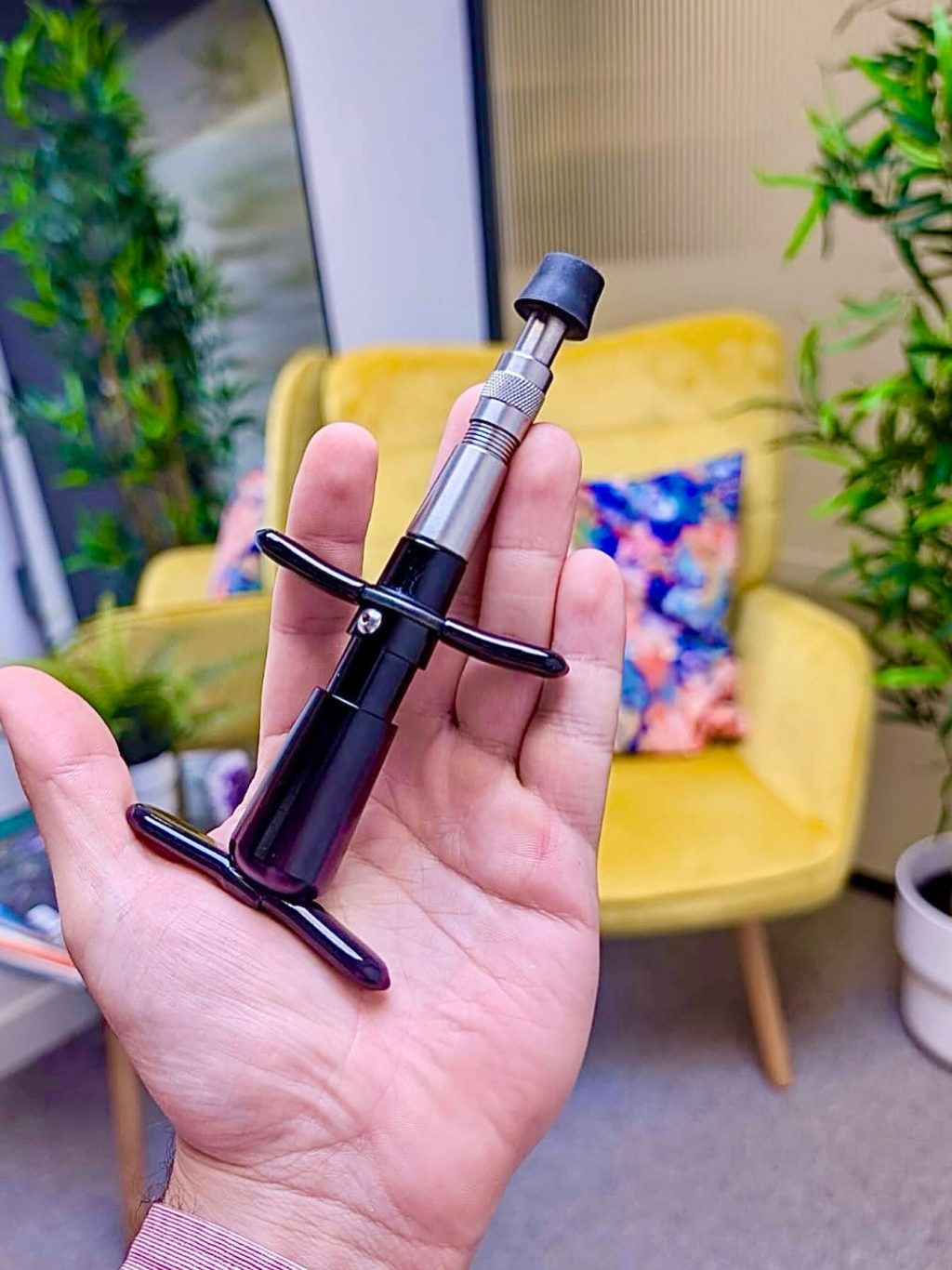
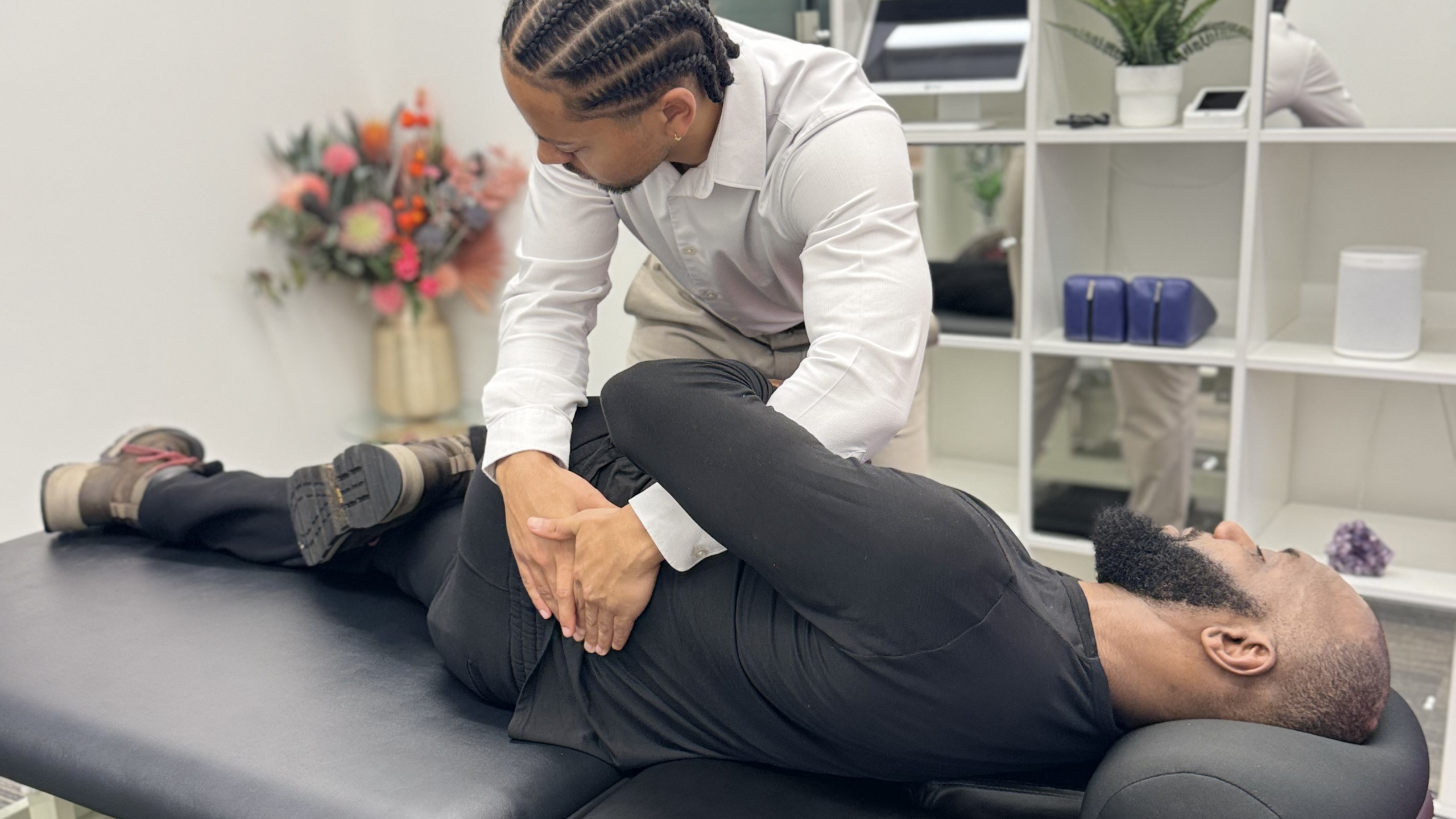
1. Spinal Adjustments
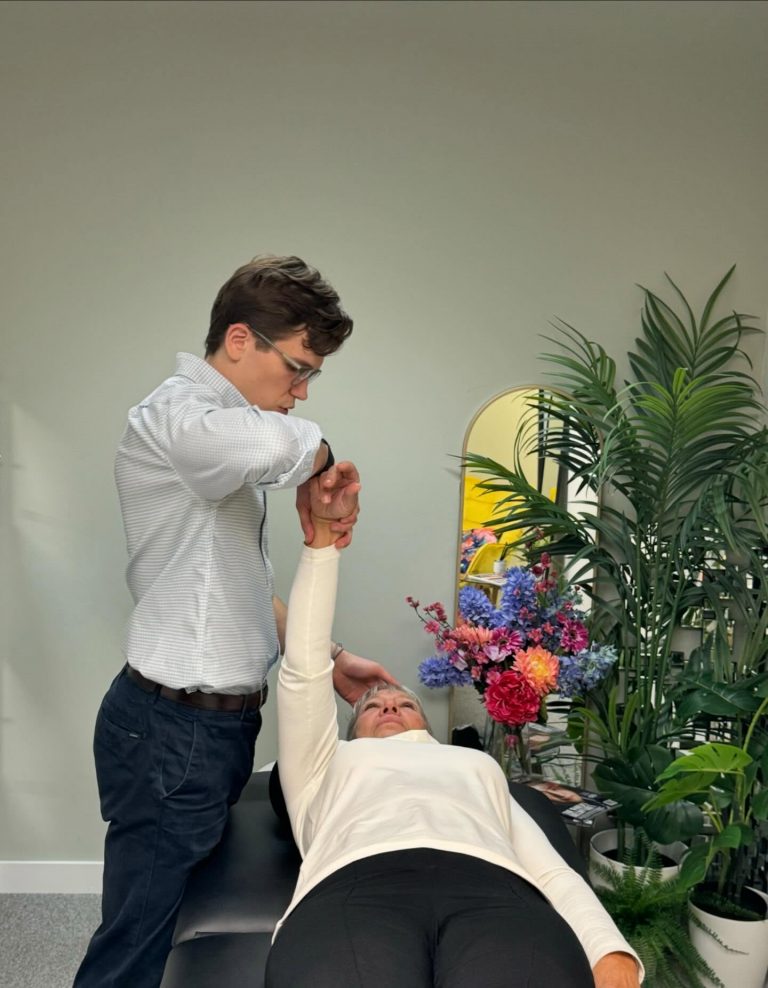
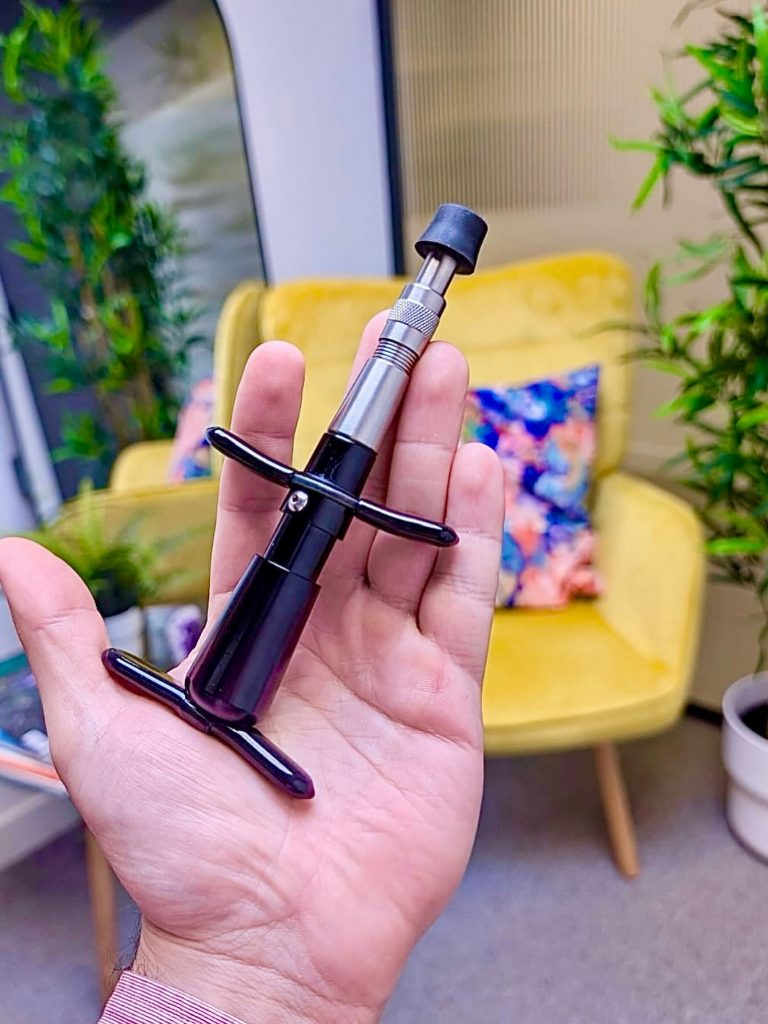
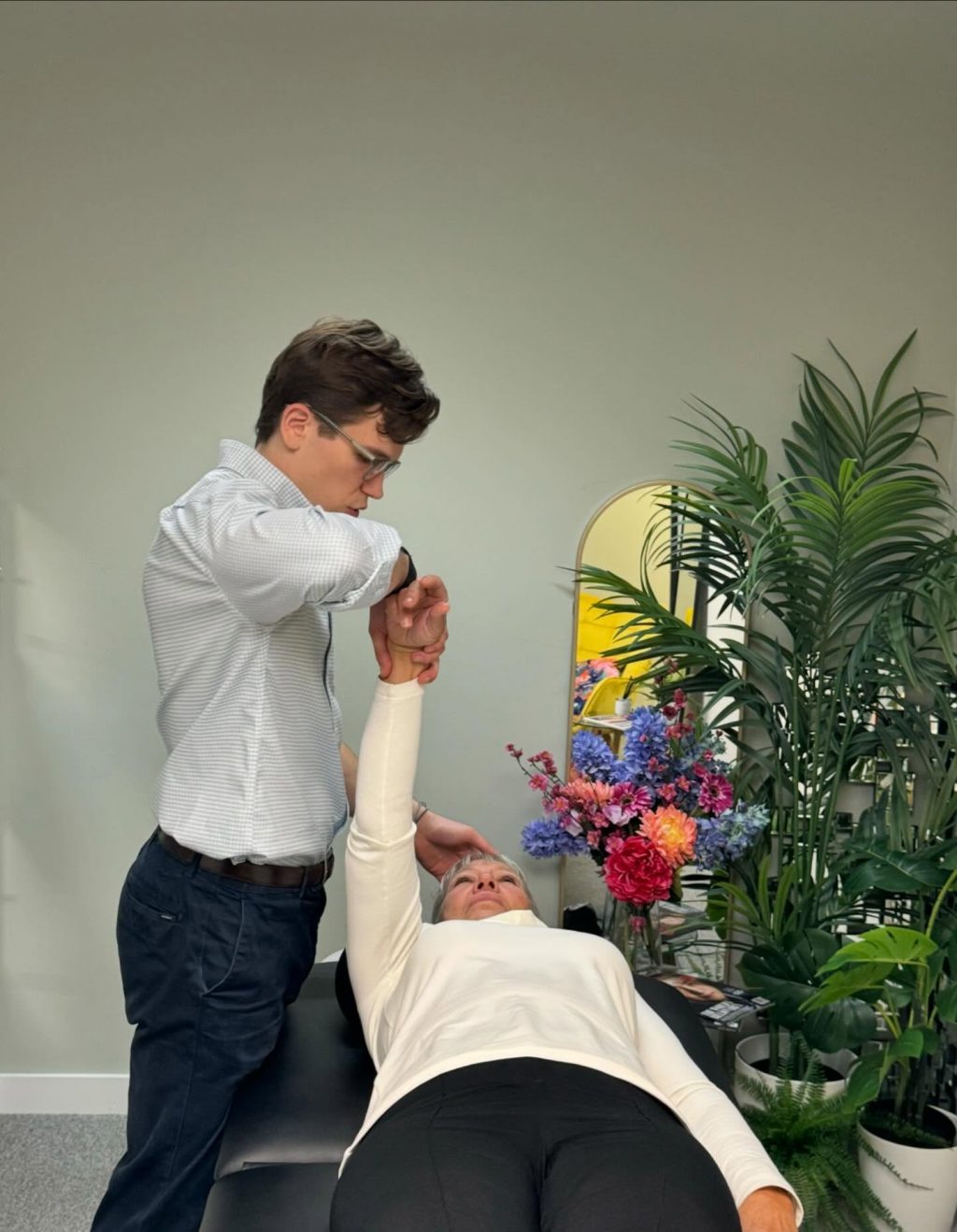
Gentle, precise adjustments restore normal joint motion and relieve nerve irritation.
2. Soft Tissue Therapy
Myofascial release, trigger point therapy, and muscular techniques reduce tightness.
3. Dry Needling (Medical Acupuncture)
Targets deep muscle tension, improves circulation, and accelerates recovery.
4. Pelvic & Postural Correction
Correcting leg length imbalance, pelvic tilt, and structural misalignment.
5. Rehabilitation Exercises
Strengthening the core and improving mobility to prevent recurrence.
6. Neurological Retraining
Improving nerve communication to stabilise movement patterns.
Most patients experience relief within several sessions, with long-term improvement through ongoing strengthening and postural changes.
Case Study: Desk Worker with Chronic Lower Back Pain
(Based on common clinical presentation)
A 38-year-old professional from Nine Elms visited our clinic with eight months of lower back pain that worsened after long hours working on a laptop. Symptoms included stiffness, difficulty bending, and pain radiating into the hip.
Assessment revealed:
Tight hip flexors
Weak glute muscles
Reduced lumbar mobility
Postural strain from prolonged sitting
Treatment involved:
Spinal adjustments
Soft tissue therapy
Pelvic balancing
Home mobility and strengthening exercises
Within 3–5 weeks, pain levels reduced, sitting tolerance improved, and the patient regained confidence in movement.
Home Care & Prevention Tips
Preventing lower back pain begins with small, daily habits:
Take standing or walking breaks every 30–45 minutes
Keep screens at eye level
Strengthen core and glute muscles
Stretch hip flexors and hamstrings
Sleep on your side with proper support
Avoid slouching or twisting while lifting
Stay hydrated and move regularly
Simple changes make a powerful long-term difference.
Why Choose Battersea & Chelsea Chiropractic Clinic?
Doctor-led chiropractic team
Evidence-based, safe, and personalised care
Located inside Battersea Power Station
Specialists in spinal alignment and nerve pain
Modern clinic with exceptional aftercare
Trusted by residents of Battersea, Chelsea, Nine Elms, and South West London
Holistic approach addressing the root cause
Book Your Appointment Today
Lower back pain doesn’t have to be a long-term struggle.
Our expert chiropractors are here to help you move better, feel better, and live pain-free.
📍 Battersea & Chelsea Chiropractic Clinic
Inside Battersea Power Station, London
📞 Phone: 0204 577 1017
💬 WhatsApp: 07349 791628
📧 Email: info@batterseaandchelseachiropractic.co.uk
🌐 Website
FAQ
1. What causes lower back pain most commonly?
Prolonged sitting, poor posture, muscle strain, disc injuries, and nerve compression.
2. Can chiropractic help lower back pain?
Yes—chiropractic adjustments restore mobility, reduce inflammation, and relieve nerve irritation.
3. Do I need an MRI for lower back pain?
Not usually. Imaging is needed only if symptoms suggest serious underlying issues.
4. How long does lower back pain last?
Acute episodes last days to weeks; chronic pain lasts longer and requires structured care.
5. Can posture cause lower back pain?
Yes. Poor posture is one of the leading causes in office-based workers.