Battersea Nine Elms Physiotherapy we understand Sciatica can turn simple everyday movements into painful challenges!
Whether you’re struggling to sit comfortably at your desk, walk along the Thames or sleep through the night, sciatic nerve pain can affect almost every part of your daily life.
The good news? With the right physiotherapy treatment, many people can reduce sciatic pain, restore comfortable movement and get back to doing what they love.
At Battersea & Chelsea Chiropractic & Physiotherapy, near Battersea Power Station, our multidisciplinary team combines physiotherapy, chiropractic care and targeted soft-tissue treatment to help you understand what’s causing your symptoms and support your recovery.
What Is Sciatica and Why Does It Cause Leg Pain?
Sciatica describes pain caused by irritation or compression of a nerve root in the lower back that contributes to the sciatic nerve.
The sciatic nerve runs from your lower spine through your buttocks and down each leg. When a nerve root becomes irritated, pain can travel from your lower back into your buttock, thigh, calf or foot.
Unlike ordinary muscular discomfort, sciatica can produce sharp, shooting, burning or electric-shock-like sensations.
For some people, symptoms settle within weeks. For others, persistent nerve irritation can lead to recurring pain, reduced mobility and difficulty enjoying everyday activities.
The key to effective sciatica treatment is understanding why the nerve is irritated, rather than simply focusing on where the pain is felt.
7 Common Signs You May Be Experiencing Sciatica
Sciatica doesn’t always feel the same for everyone. Common symptoms include:
- Shooting leg pain: Sharp or electric sensations travelling from your lower back or buttock down one leg.
- Tingling or pins and needles: Unusual sensations in your thigh, calf, foot or toes.
- Burning discomfort: A hot or intense sensation along part of your leg.
- Pain when sitting: Symptoms that worsen during long periods at your desk, commuting or travelling.
- Difficulty bending: Discomfort when putting on shoes, lifting objects or getting out of a chair.
- Disturbed sleep: Difficulty finding a comfortable sleeping position.
- Leg weakness: Your leg or foot may feel weaker than usual, sometimes affecting walking or exercise.
If you’re living or working around Nine Elms, Embassy Gardens, Thames City or Riverlight, you may recognise how frustrating these symptoms become when they interfere with work, commuting or your usual exercise routine.
Important: New or worsening leg weakness requires prompt medical assessment. Seek emergency care if you develop numbness around your genitals or bottom, new bladder or bowel control problems, or severe or worsening symptoms affecting both legs.
Why Does Sciatica Happen? Understanding the Biomechanics
Your spine, pelvis, hips, muscles and nervous system work together to support movement.
When one part of this interconnected system isn’t functioning comfortably, you may naturally begin moving differently to avoid pain.
Over time, these protective movement patterns can contribute to additional stiffness, muscle tension and reduced confidence in movement.
However, the underlying cause of sciatica is usually irritation of a spinal nerve root, rather than simply poor posture or tight muscles. Common contributing conditions include:
1. Lumbar Disc Irritation or Herniation
The discs between your spinal vertebrae act as cushions. When a disc bulges or herniates, it can irritate or compress a nearby nerve root, causing pain to travel down the leg.
2. Age-Related Spinal Changes
Changes in the joints, discs and spaces around the spinal nerves can sometimes narrow the available space and contribute to nerve compression.
3. Prolonged Sitting and Reduced Movement
Sitting doesn’t automatically cause sciatica, but prolonged sitting can aggravate symptoms in some people, particularly when a sensitive spinal nerve is already involved.
4. Changes in Muscle Strength and Movement
Reduced strength, limited mobility and protective muscle guarding may make everyday activities more uncomfortable and affect recovery.
For busy professionals working near the American Embassy, Nine Elms Point or Chelsea Bridge Wharf, long desk hours and commuting can make existing sciatic symptoms particularly difficult to manage.
This is why our approach considers more than just the painful leg. We assess how your spine, hips, muscles and movement patterns may be contributing to your symptoms.
How Physiotherapy in Battersea Nine Elms Can Help Sciatica
Effective sciatica physiotherapy starts with identifying the likely source of nerve irritation and understanding how it affects your movement.
At Battersea & Chelsea Chiropractic & Physiotherapy, treatment is tailored to your symptoms, physical examination and individual recovery goals.
1. Physiotherapy: Restore Movement and Build Strength
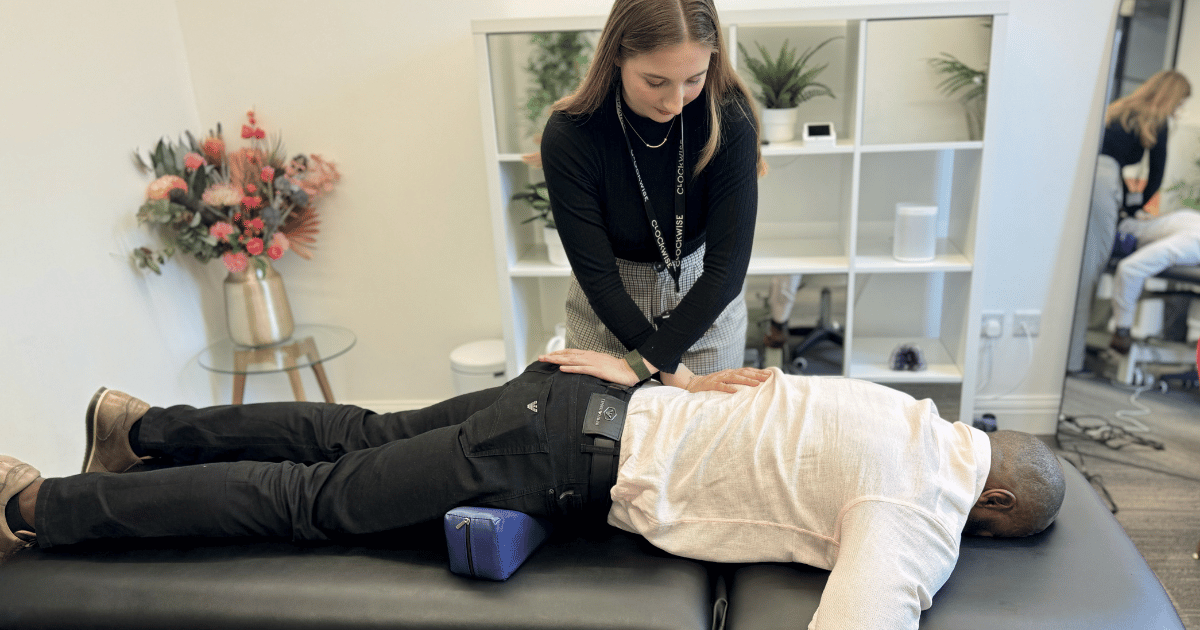
Our physiotherapists assess your spinal mobility, nerve function, muscle strength and movement patterns.
Depending on your assessment, treatment may include:
- Individualised therapeutic exercises
- Gentle movements to improve spinal mobility
- Progressive strengthening of the back, hips and surrounding muscles
- Advice on modifying activities that aggravate symptoms
- Education to help you manage flare-ups and return to normal activity
The aim is not simply to provide temporary relief, but to help you move confidently and develop the strength and resilience needed for everyday life.
2. Chiropractic Care: Supporting Spinal Movement
Where clinically appropriate, chiropractic treatment may complement your physiotherapy programme.
Our chiropractors assess spinal and joint movement and may use carefully selected manual therapy techniques to help manage musculoskeletal discomfort.
Chiropractic treatment is not suitable for every cause of sciatica, so any hands-on treatment should be guided by your examination and clinical needs.
3. Sports Massage and Soft-Tissue Therapy: Addressing Muscle Tension
Sciatic pain can cause muscles around the lower back, hips and buttocks to become tense or guarded.
Targeted soft-tissue therapy may help relieve associated muscle discomfort and improve your ability to move comfortably.
While sports massage does not remove spinal nerve compression, it can provide supportive symptom relief alongside an appropriate rehabilitation programme.
Why an Integrated Approach Matters
Your body doesn’t function as a collection of separate parts.
Your spine, joints, muscles and nervous system influence how you move, adapt and recover.
By bringing physiotherapy, chiropractic care and sports massage together, our team can select the most appropriate combination of care for your individual needs.
Our focus is to help you recover, restore movement and build long-term physical resilience, not simply chase symptoms.
Two Simple Things You Can Try at Home for Sciatica Relief
While persistent sciatica deserves a professional assessment, gentle movement and simple pain-management strategies can often help you stay comfortable during recovery.
Tip 1: Gentle Walking Breaks
If sitting makes your sciatica worse, try interrupting prolonged periods at your desk with short walks.
- Stand up and move away from your desk.
- Walk at a comfortable pace for two to five minutes.
- Keep your movements relaxed and natural.
- Repeat regularly throughout your working day as tolerated.
Walking can help maintain mobility and reduce the stiffness associated with prolonged inactivity.
If you’re based around Battersea Power Station, Prince of Wales Drive or the Nine Elms riverside, a gentle walk outdoors may be a convenient way to incorporate movement into your routine.
Tip 2: Use an Ice Pack to Help Relieve Sciatic Pain
Applying an ice pack to the painful area may help temporarily numb discomfort and reduce local inflammation, particularly during an acute flare-up.
- Wrap an ice pack or cold compress in a clean tea towel. Never apply ice directly to your skin.
- Gently place it over the affected area of your lower back or buttock.
- Leave it in place for 10 minutes, then remove it and allow your skin to return to its normal temperature before reapplying if needed.
- Repeat as necessary throughout the day, allowing sufficient time between applications.
Cold therapy can help reduce pain signals and provide temporary relief, making it easier to stay comfortable while your body recovers.
Remember: Ice packs may help manage symptoms, but they won’t necessarily resolve the underlying cause of sciatica. Avoid applying ice to areas with reduced sensation or poor circulation, and stop if your skin becomes painful or unusually pale.
Looking for a Physiotherapist in Battersea Nine Elms?
If you’ve been searching online for physiotherapy Battersea Nine Elms, physiotherapist Battersea Nine Elms or physio Battersea Nine Elms, our clinic offers a convenient location for people living and working across this part of London.
Our Battersea clinic provides access to physiotherapy and other physical care services under one roof.
We welcome patients from across the surrounding neighbourhoods, including:
- Battersea and Nine Elms
- Battersea Power Station
- The American Embassy and Embassy Gardens
- Thames City and Riverlight
- Nine Elms Point
- Prince of Wales Drive
- Chelsea Bridge Wharf
- Chelsea and the surrounding riverside communities
Whether your sciatic pain is affecting your working day, preventing you from exercising or simply making everyday movement uncomfortable, our team can help you understand your symptoms and explore appropriate treatment options.
Don’t Let Sciatica Dictate How You Live
Living with recurring sciatic pain can gradually change the way you move, work, exercise and enjoy life. You may start avoiding longer walks, sitting through meetings or activities you previously enjoyed because you’re worried about triggering another painful episode. But persistent pain doesn’t always mean permanent damage. Many people with sciatica improve with appropriate conservative care, gradual movement and a personalised rehabilitation programme.
At Battersea & Chelsea Chiropractic & Physiotherapy, we believe that moving well is fundamental to living well.
Our goal is to help you understand your body, support your recovery and give you the tools to return to the activities that matter most.
Book Your Battersea Nine Elms Physiotherapy Assessment in Battersea
Ready to take the first step towards more comfortable movement?
Book your Nine Elms Physio Assessment with our Battersea Nine Elms physiotherapy team.
We’ll assess your symptoms, discuss your goals and recommend a personalised approach to helping you move with greater confidence.
Battersea & Chelsea Chiropractic & Physiotherapy
Book your appointment online today.