Lower back pain is one of the most common musculoskeletal problems and can range from a mild ache or stiffness to sudden, severe pain that restricts movement. It may develop gradually through prolonged sitting, reduced movement or repetitive strain, or appear suddenly after lifting, twisting, exercise or injury.
What Causes Lower Back Pain?
What causes lower back pain? Lower back pain can develop for many different reasons, including prolonged sitting, poor posture, muscle strain, spinal disc irritation, joint dysfunction, pelvic imbalance, and nerve irritation such as sciatica. In some people, symptoms build gradually through everyday habits such as desk work, long periods of inactivity, repetitive movement, reduced mobility or poor lifting mechanics. In others, pain may appear suddenly after lifting, twisting, exercise, sport or an unexpected injury.
There is rarely one single cause. Muscles, joints, discs, nerves, posture and movement patterns can all contribute to lower back pain, sometimes at the same time. Lifestyle factors such as stress, poor sleep, reduced activity and long working hours may also influence how persistent or sensitive symptoms become.
This is why a proper clinical assessment is important when lower back pain is persistent, severe, recurring or beginning to interfere with normal movement, work, sleep, exercise or everyday activities. Identifying the factors contributing to the problem can help guide the most appropriate treatment and rehabilitation plan.
Why Lower Back Pain Is Common in Battersea and London
Lower back pain can have several possible causes, including muscle strain, joint irritation, prolonged sitting, reduced mobility, disc-related problems and nerve irritation such as sciatica. In many cases, more than one factor contributes to the symptoms.
Understanding what causes lower back pain is essential because effective long-term recovery depends on identifying and correcting the underlying issue—not just masking pain with medication.
At Battersea Chelsea Chiropractic & Physiotherapy Clinic, our chiropractors and physiotherapists assess and treat a wide range of musculoskeletal causes of lower back pain.
Lower back pain rarely stems from one source. Instead, it develops from a combination of physical, mechanical, and lifestyle-related factors. Below are the most common causes identified in clinical practice.
Common Causes of Lower Back Pain
Lower back pain often develops from a combination of physical, mechanical and lifestyle factors rather than one single cause. Common contributors can include prolonged sitting, muscle strain, reduced mobility, joint irritation, disc-related problems and nerve irritation. Below are some of the factors we commonly consider when assessing patients with lower back pain in Battersea, Chelsea and the surrounding areas.
1. Poor Posture & Prolonged Sitting
Prolonged sitting and reduced movement are common contributors to lower back discomfort, particularly for people who spend much of the working day at a desk or travelling.
When you sit for long periods whether at a desk, on the sofa, or during long commutes your spine gradually loses its natural curve. This places excess strain on joints, discs, and muscles.
Daily triggers include:
Sitting for 6–10 hours a day
Working on a laptop below eye level
Slouching or rounding the shoulders
Leaning to one side
Working from bed, sofas, or soft chairs
Long periods in the car or train
Long periods of inactivity can contribute to stiffness, reduced muscular endurance and increased sensitivity around the lower back, particularly when combined with poor workstation setup or limited regular movement.
Over time, this leads to:
- Tightness around the hips
- Reduced muscular endurance
- Stiffness through the lumbar spine and hips
- Reduced movement variability
- Fatigue or aching in the lower back
If your lower back pain regularly worsens after prolonged sitting, your posture, workstation setup, movement habits and overall activity levels may all be worth assessing.
2. Lumbar Disc Bulges & Herniations
Spinal discs are soft, shock-absorbing structures that sit between the vertebrae of the spine. Over time, or after injury or repeated loading, a disc can change shape, lose some of its normal height or develop a bulge or herniation.
These changes do not always cause pain. However, when disc tissue irritates or compresses a nearby nerve, symptoms may include:
- Lower back pain
- Pain travelling into the buttock or leg
- Tingling or numbness
- Weakness
- Increased discomfort with certain movements, sitting, bending or lifting
Disc-related symptoms can vary considerably from person to person, which is why clinical assessment is important. At our Battersea clinic, we assess movement, strength, neurological function and symptom behaviour to help determine whether a disc or nerve may be contributing to your lower back pain.
Where appropriate, we may recommend further medical assessment or imaging to investigate symptoms that are persistent, progressive or suggest a more complex underlying problem.
3. Muscle Strains & Ligament Sprains
Muscle strains and ligament sprains are common causes of sudden lower back pain. They can occur when muscles or supporting tissues are overloaded, overstretched or exposed to an unfamiliar movement or level of activity.
Common triggers may include:
- Lifting or carrying a heavy object
- Twisting while under load
- Sudden or awkward movements
- Returning to intense exercise too quickly
- Repetitive physical work
- Reduced conditioning or fatigue
Symptoms may include localised pain, muscle spasm, stiffness, tenderness and reduced movement. Most uncomplicated strains improve with appropriate movement and gradual return to activity, but persistent or severe pain should be assessed to rule out other causes.
4. Facet Joint Irritation
Facet joints are small joints at the back of the spine that help guide and control movement between the vertebrae. Like other joints, they can become irritated or sensitive and may contribute to localised lower back pain.
Symptoms may include:
- Pain or aching on one side of the lower back
- Discomfort with certain movements, particularly extension or rotation
- Stiffness after periods of rest or inactivity
- Local tenderness around the lower back
Facet-related pain can resemble other causes of lower back pain, so assessment is important rather than relying on symptoms alone. Movement, joint function and the overall pattern of symptoms can help determine whether the facet joints may be contributing.
5. Sciatica (Nerve Irritation or Compression)

Sciatica refers to symptoms caused by irritation or compression of the sciatic nerve or one of the nerve roots that contribute to it. It is often associated with irritation from a lumbar disc, narrowing around a nerve or other changes affecting the lower spine.
Symptoms may include:
- Pain travelling from the lower back or buttock into the leg
- Tingling or numbness
- Burning, electric or shooting sensations
- Weakness in the leg or foot
- Symptoms that may worsen with certain positions, movements or prolonged sitting
Sciatica can vary considerably in severity. Some cases improve with conservative care and gradual movement, while others require further investigation.
At our Battersea clinic, we assess strength, sensation, reflexes, movement and symptom behaviour to help determine whether nerve irritation may be contributing to your symptoms. Where appropriate, we may recommend further medical assessment or imaging.
6. Sacroiliac (SI) Joint Dysfunction
The sacroiliac joints connect the lower spine to the pelvis and help transfer load between the upper and lower body. Pain around the SI joint region can sometimes contribute to discomfort in the lower back, buttock or upper thigh.
Possible contributing factors may include:
- Changes in load or activity
- Pregnancy-related changes
- Previous injury or trauma
- Reduced movement or prolonged inactivity
- Repetitive twisting or uneven loading
Symptoms may include pain around one side of the lower back or buttock, discomfort when changing position, or pain during certain movements. SI joint pain can resemble other lower back conditions, so a clinical assessment is important to help identify the most likely source of symptoms.
7. Stress, Fatigue & Muscle Tension
Stress, poor sleep and fatigue can influence how the body experiences and responds to lower back pain. Increased muscle tension, reduced recovery and heightened sensitivity to pain can all contribute to symptoms, particularly during periods of long working hours, emotional stress or reduced activity.
Stress-related factors may contribute to:
- Increased muscle tension
- Shallow or altered breathing patterns
- Greater sensitivity to pain
- Reduced recovery between periods of activity
- Lower energy and reduced movement
- Increased stiffness after prolonged sitting
For some people, back pain becomes more noticeable during stressful periods or when sleep and recovery are poor. Addressing movement, activity levels, recovery and lifestyle factors can form part of a broader management plan.
8. Pregnancy-Related Lower Back Pain
Lower back and pelvic pain are common during pregnancy as the body adapts to changes in posture, movement, load and ligament flexibility. These changes can place additional demand on the lower back, pelvis and surrounding muscles.
Pregnancy-related back pain may involve:
- The lumbar spine
- Sacroiliac joints
- Pelvic muscles
- Hip and gluteal muscles
- Postural and core muscles
Symptoms may include aching or stiffness in the lower back, discomfort around the pelvis or buttocks, or pain that becomes more noticeable with prolonged standing, walking, sitting or changing position.
Treatment during pregnancy should always be tailored to the individual and adapted appropriately. If symptoms are severe, unusual or accompanied by other pregnancy-related concerns, medical advice from your GP, midwife or maternity team should be sought before treatment.
Who Is More Likely to Experience Lower Back Pain?
Lower back pain can affect anyone, but certain lifestyle, occupational and physical factors may increase the likelihood of experiencing symptoms. These can include:
- Spending long periods sitting or working at a desk
- Regular commuting or prolonged driving
- Repetitive lifting, bending or manual work
- Sudden increases in exercise or physical activity
- Reduced general activity or physical conditioning
- Pregnancy and the physical changes associated with it
- Previous episodes of lower back pain
- Poor sleep, fatigue or prolonged periods of stress
Having one or more of these factors does not necessarily mean you will develop lower back pain. Symptoms usually result from a combination of factors rather than one single cause.
When Should You Seek Urgent Medical Advice for Lower Back Pain?
Most episodes of lower back pain are not caused by a serious medical problem. However, some symptoms require urgent medical assessment. Seek medical advice promptly if your back pain is accompanied by:
- New loss of bladder or bowel control
- Numbness around the groin, genitals or inner thighs (“saddle” numbness)
- New or rapidly worsening weakness in one or both legs
- Severe pain following significant trauma
- Fever or feeling generally unwell alongside back pain
- Unexplained weight loss
- A history of cancer with new or unexplained back pain
- Severe, persistent pain that is unusual for you or continues to worsen
Loss of bladder or bowel control, saddle numbness or rapidly progressing leg weakness can indicate a medical emergency and should be assessed urgently.
How We Assess Lower Back Pain
At Battersea Chelsea Chiropractic & Physiotherapy Clinic, lower back pain is assessed using a detailed clinical examination designed to understand your symptoms, movement, function and the factors that may be contributing to the problem.
Your assessment may include:
1. Medical History
We discuss when your symptoms started, what makes them better or worse, previous injuries, work and lifestyle factors, activity levels and any relevant medical history.
2. Movement and Orthopaedic Assessment
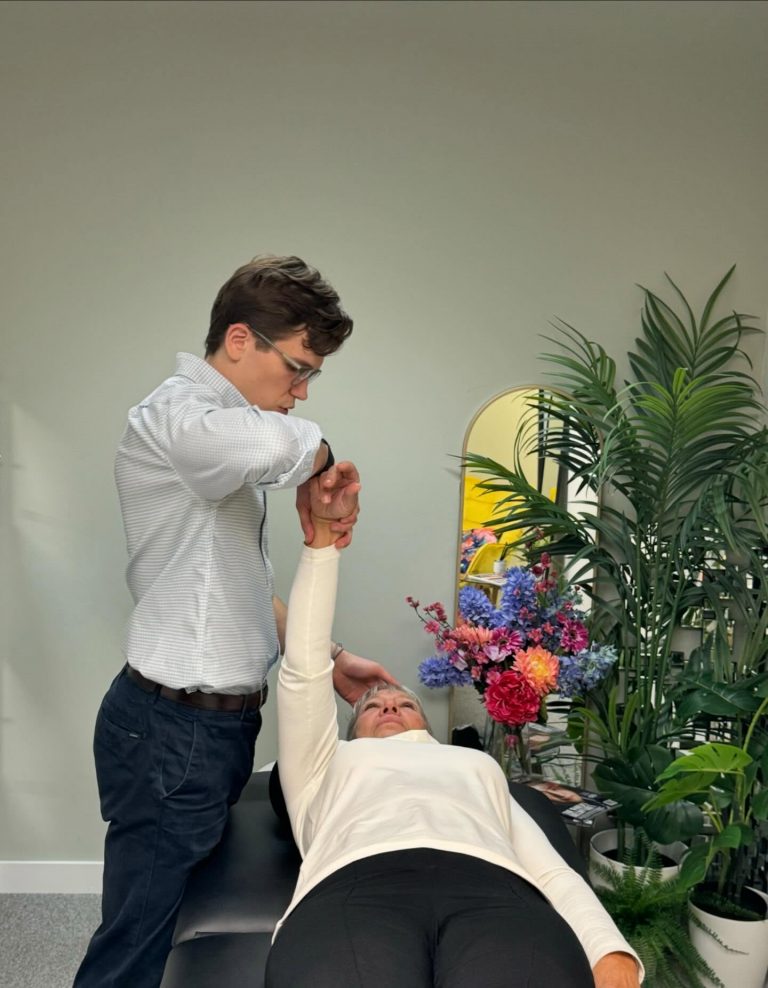
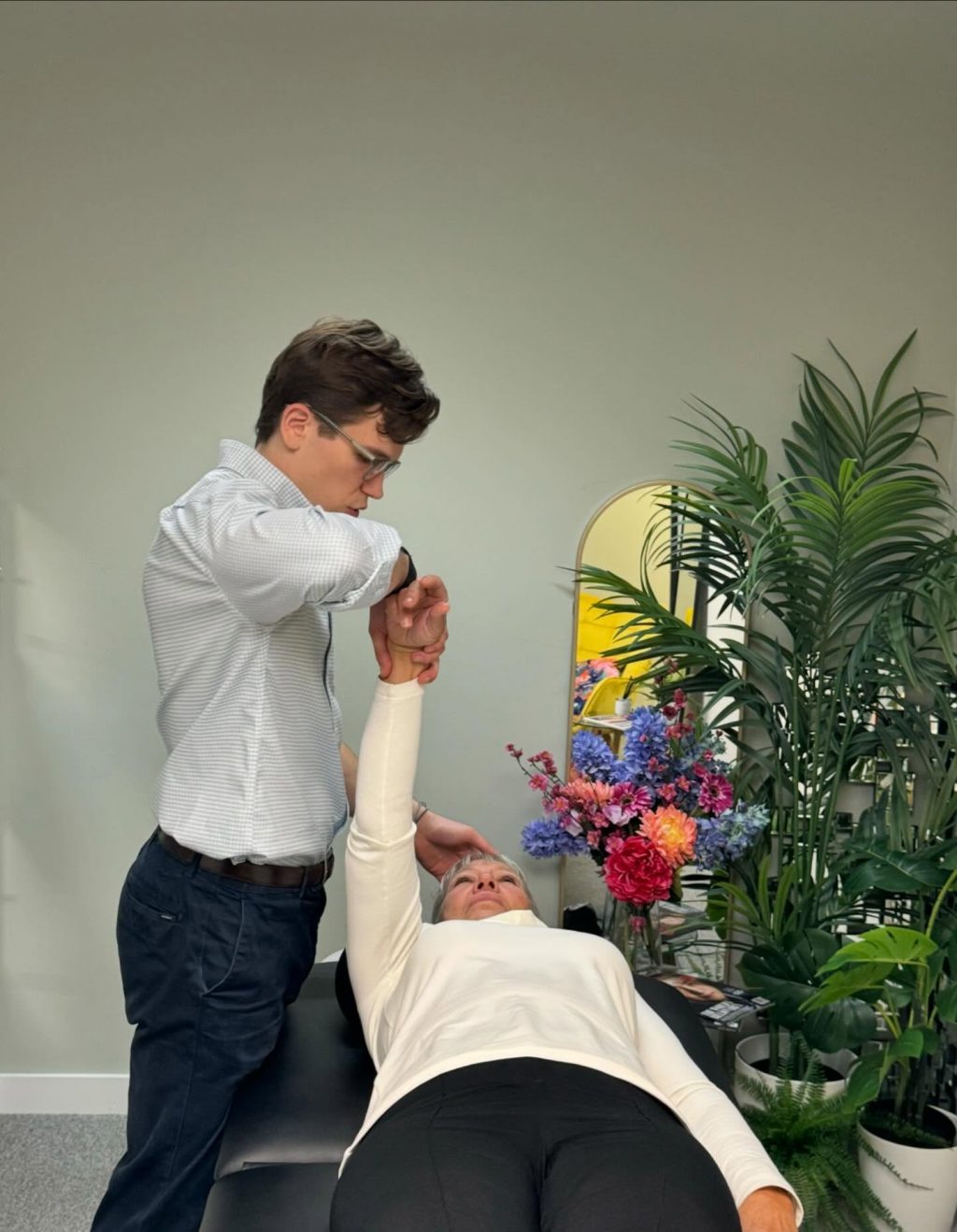
Your practitioner may assess spinal and joint movement, mobility, strength and how particular movements affect your symptoms.
3. Neurological Assessment
Where appropriate, strength, sensation, reflexes and nerve-related symptoms may be assessed, particularly when pain, tingling, numbness or weakness extends into the leg.
4. Functional Movement Assessment
We may look at walking, bending, lifting, balance and other movements relevant to your everyday activities, work or sport.
5. Palpation and Hands-On Examination
The muscles, joints and surrounding tissues may be examined for tenderness, stiffness, sensitivity or changes in movement.
6. Referral for Further Investigation When Appropriate
Most lower back pain does not require imaging. However, if your symptoms or examination findings indicate that further investigation may be necessary, we can advise on the appropriate next steps or referral pathway.
The aim is to understand the overall pattern of your lower back pain rather than focusing only on the area that hurts.
How Chiropractic and Physiotherapy May Help Lower Back Pain
Treatment for lower back pain should be based on the findings of your assessment rather than a one-size-fits-all approach. Depending on your symptoms and goals, care may involve chiropractic treatment, physiotherapy, rehabilitation or a combination of approaches.
Treatment may include:
1. Joint Mobilisation or Manipulation
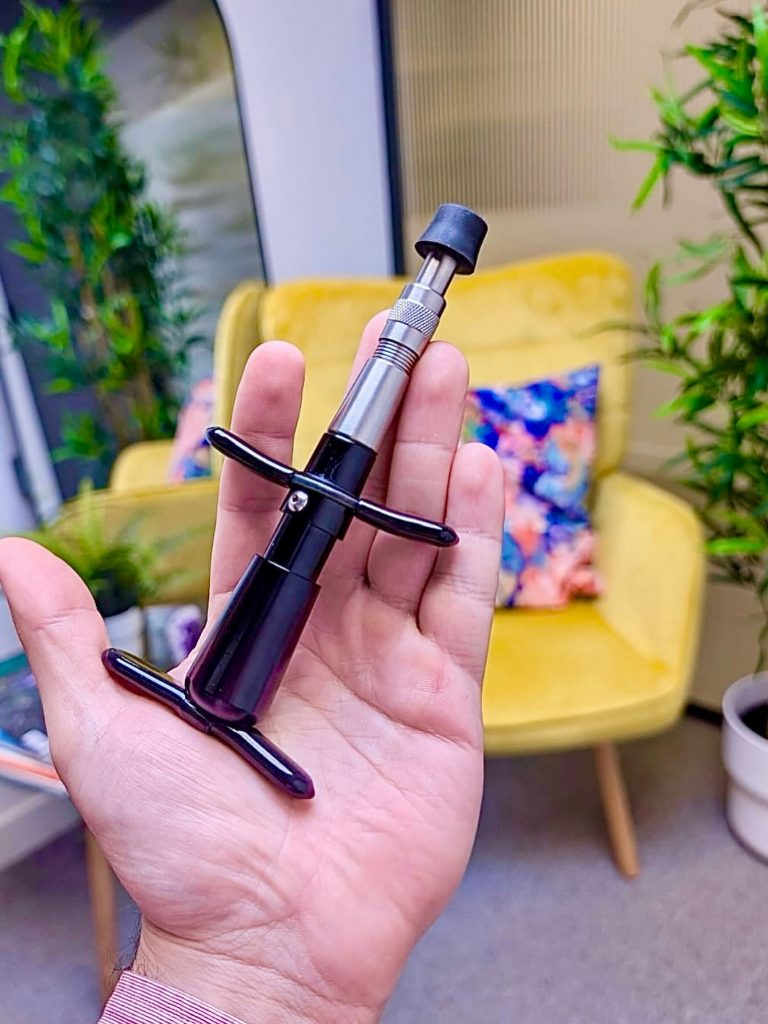
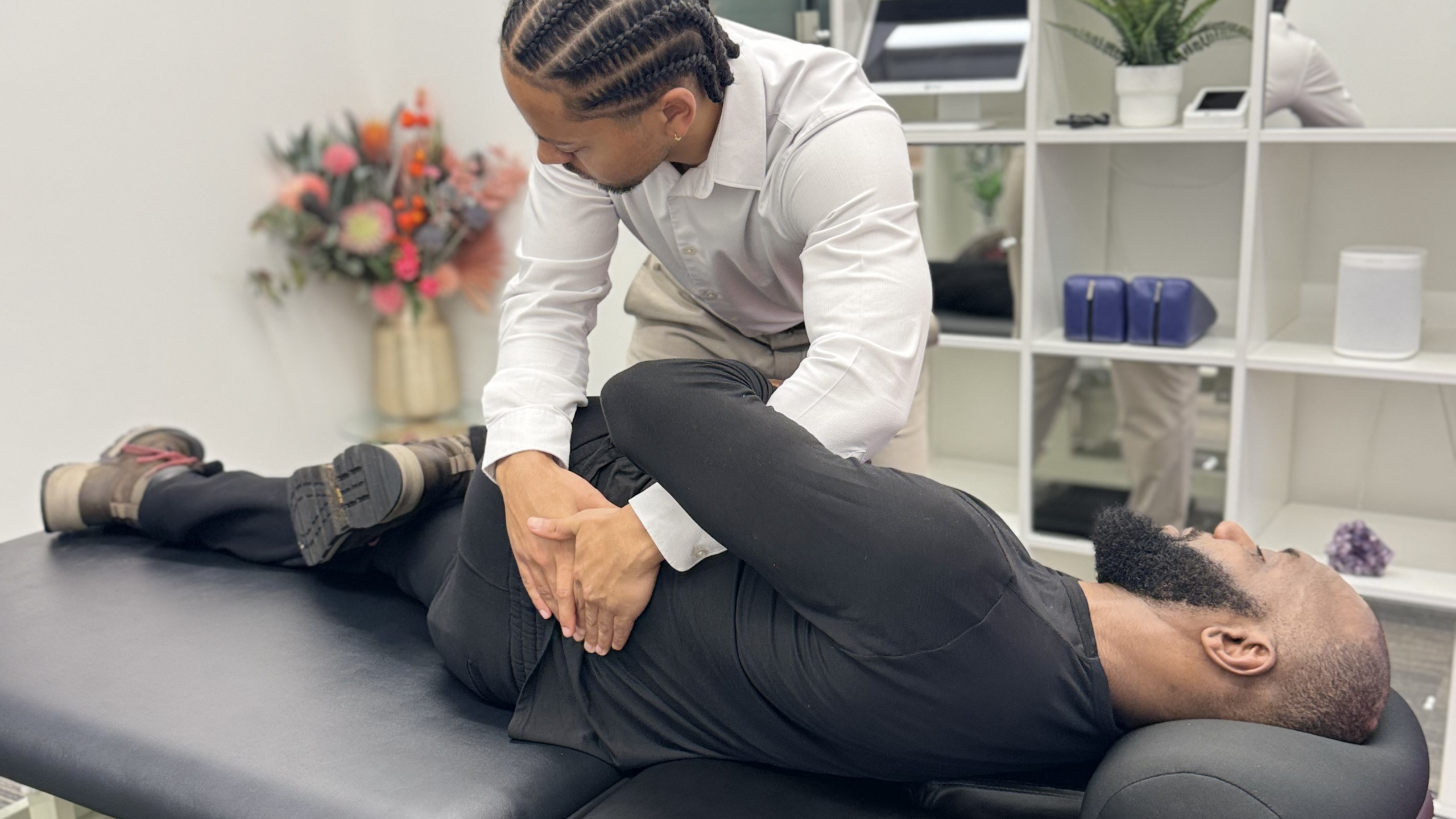
Where clinically appropriate, chiropractors may use manual techniques to help improve joint movement and reduce stiffness.
2. Soft-Tissue Treatment
Hands-on techniques may be used to address muscular tension, sensitivity and restricted movement around the lower back, hips and surrounding areas.
3. Physiotherapy and Rehabilitation
Exercise-based rehabilitation can help restore movement, strength and confidence, particularly when weakness, reduced mobility or deconditioning are contributing factors.
4. Dry Needling or Medical Acupuncture
Where appropriate and provided by a suitably trained practitioner, dry needling or acupuncture may be considered as part of a wider treatment plan.
5. Mobility and Strengthening Exercises
Your programme may include exercises designed to improve mobility, strength, control and tolerance to everyday activity.
6. Advice on Work, Activity and Lifestyle
Treatment may also include guidance on returning to exercise, managing prolonged sitting, workstation setup, lifting and gradually increasing activity.
The most appropriate approach depends on the cause and nature of your symptoms. Some people benefit mainly from hands-on treatment, others require rehabilitation, and some benefit from a combination of chiropractic and physiotherapy.
How Lower Back Pain May Present in a Desk Worker
A desk-based professional may develop lower back pain gradually after long periods of sitting, reduced movement and increased workload. Symptoms can include stiffness, difficulty bending, aching around the lower back and discomfort after prolonged sitting.
An assessment may identify factors such as reduced lumbar or hip mobility, muscular tension, reduced strength or poor tolerance to sustained positions.
Depending on the findings, treatment may include:
- Hands-on treatment where appropriate
- Mobility exercises
- Progressive strengthening
- Advice on sitting, movement and workstation habits
- Gradual return to normal activity
The aim is not simply to reduce pain, but to improve movement, confidence and tolerance to everyday activity.
Managing Lower Back Pain at Home
Small changes to everyday movement and activity can help many people manage lower back pain and reduce stiffness.
- Avoid staying in one position for long periods
- Take regular movement breaks during desk work
- Gradually return to normal walking, exercise and activity
- Adjust your workstation so it is comfortable and practical
- Build strength and mobility progressively rather than doing too much too soon
- Use sensible lifting techniques and avoid sudden increases in load
- Prioritise sleep, recovery and regular physical activity
There is no single perfect posture or exercise for everyone. The most appropriate advice depends on your symptoms, activity levels and clinical assessment.
That is much stronger than telling everybody to stretch the same muscles or sleep in one particular position.
Why Choose Battersea Chelsea Chiropractic & Physiotherapy Clinic?
Our clinic provides multidisciplinary care for lower back pain, combining chiropractic, physiotherapy, rehabilitation and hands-on treatment where clinically appropriate.
- GCC-registered chiropractors
- HCPC-registered physiotherapists
- Chiropractic and physiotherapy available within the same clinic
- Individual assessment and treatment planning
- Hands-on care combined with rehabilitation and exercise where appropriate
- Convenient Battersea location near Battersea Power Station, Nine Elms and Chelsea
- Support for patients covered by major private health insurers
We work with patients covered by insurers including AXA, Vitality, WPA, Cigna, Aviva and Healix. Patients pay the clinic directly and receive an itemised invoice to submit to their insurer, subject to policy terms and any required pre-authorisation.
Book a Lower Back Pain Assessment in Battersea
If lower back pain is affecting your movement, work, sleep or exercise, book an assessment with our clinical team.
We can assess your symptoms, explain the likely contributing factors and recommend the most appropriate pathway, whether that involves chiropractic care, physiotherapy, rehabilitation or a combination of approaches.
Not sure whether to book a chiropractor or physiotherapist? Contact our team and we can help guide you towards the right appointment.
📍 Battersea & Chelsea Chiropractic Clinic
Inside Battersea Power Station, London
📞 Phone: 0204 577 1017
💬 WhatsApp: 07349 791628
📧 Email: info@batterseaandchelseachiropractic.co.uk
🌐 Website
Frequently Asked Questions About Lower Back Pain
1. What causes lower back pain most commonly?
Lower back pain can have several contributing factors, including muscle strain, joint irritation, prolonged sitting, reduced movement, disc-related changes and nerve irritation. The exact cause varies from person to person and often involves more than one factor.
2. Can chiropractic help lower back pain?
Chiropractic care may help some people with musculoskeletal lower back pain. Depending on your assessment, treatment may include joint mobilisation or manipulation, soft-tissue techniques, exercise and advice on movement and activity. The most appropriate approach depends on your symptoms and clinical findings.
3. Do I need an MRI for lower back pain?
Most episodes of lower back pain do not require an MRI or other imaging initially. Imaging may be recommended when symptoms, medical history or examination findings suggest that further investigation is appropriate.
4. How long does lower back pain last?
Many episodes of lower back pain improve over days or weeks, but recovery varies considerably. Persistent or recurring symptoms may benefit from assessment to identify contributing factors and develop an appropriate treatment and rehabilitation plan.
5. Can posture cause lower back pain?
There is no single “perfect” posture. However, spending long periods in the same position, reduced movement and an unsuitable workstation can contribute to stiffness or discomfort in some people. Regular movement and changing position throughout the day are often more useful than trying to maintain one rigid posture.
I would then add two more FAQs, because they fit the actual commercial intent of this page:
6. Should I see a chiropractor or physiotherapist for lower back pain?
Both chiropractors and physiotherapists assess and treat musculoskeletal lower back pain. The most suitable option depends on your symptoms, movement, strength, activity levels and recovery goals. At our Battersea clinic, we offer both services and can help guide you towards the most appropriate appointment.
7. When should I seek urgent medical advice for lower back pain?
Seek urgent medical assessment if back pain is accompanied by new loss of bladder or bowel control, numbness around the groin or inner thighs, rapidly worsening leg weakness, significant trauma, fever or other concerning symptoms.